
... und deine Liebe auch
Director: Frank Vogel, 92 Min., Black-White, Feature Film
Deutsche Demokratische Republik (DDR)
DEFA-Studio für Spielfilme, 1962
- Film/Video Format
- 35 mm
- Length in m
- 2515
- Other Title
- Bei uns; Melancholie
- English Title
- And Your Love Too
- Premiere Date
- Release Date (for Cinema)
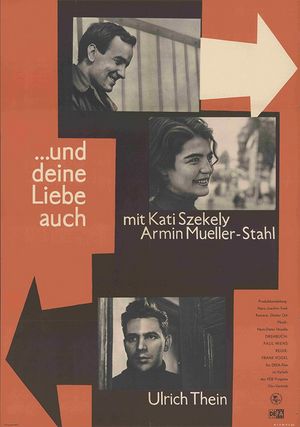
(Dir.: Frank Vogel, 1962) Graphic Design: Werner Klemke
Short Summary (English)
Berlin, 1961. Ulli, an electrician, and Klaus, a taxi driver, grew up like brothers, yet their visions for the future could not be further apart. While Ulli is deeply rooted in the socialist ideals of the young GDR, Klaus lives as a "Grenzgänger" (border-crosser), enjoying the perks of the West and profiting from lucrative currency exchanges. Their personal rivalry over Eva, a local postal worker, reaches a breaking point on August 13th. As the borders close, Ulli finds himself in uniform, standing directly across from his friend and blocking his path. Amidst this historic turning point, Eva must decide whether her heart belongs to the charismatic bon vivant Klaus or the dutiful Ulli.
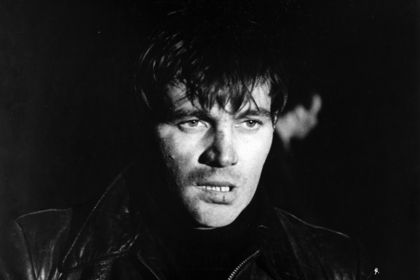
(Dir.: Frank Vogel, 1962) Photography: Hans-Joachim Zillmer
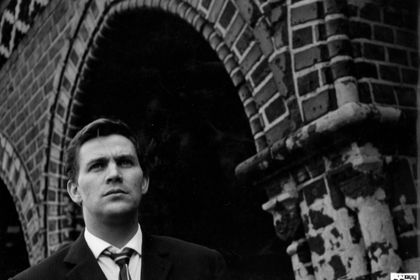
(Dir.: Frank Vogel, 1962) Photography: Hans-Joachim Zillmer
Film Crew
- Director
-
- Frank Vogel
- Script
-
- Paul Wiens
- Camera
- Film Editing
-
- Ella Ensink-Kleberg
- Cast
-
- Kati Székely (Eva)
- Armin Mueller-Stahl (Ulli)
- Ulrich Thein (Klaus)
- Katharina Lind (Margot)
- Alfonso Arau (Alfredo)
- Maria Besendahl (Wirtin)
- Marita Böhme (Fürsorgerin)
- Doris Thalmer (Nachbarin)
- Gisela Strauss (Betriebsredakteurin)
- Bertina Acewedo (Kubanische Begleiterin)
- Assistant Director
-
- Helgard Mühlberg
- Assistant Camera
-
- Dietram Kleist
- Production Design
-
- Werner Zieschang
- Script Editing
-
- Willi Brückner
- Music
-
- Hans-Dieter Hosalla
- Sound
-
- Horst Mathuschek
- Costume Design
-
- Werner Bergemann
- Props
-
- Adolf Kilian
- Production Management
-
- Hans-Joachim Funk
- Unit Production Management
-
- Irene Ikker
- DEFA Photography
-
- Hans-Joachim (auch: Jochen) Zillmer
Awards
- Heinrich-Greif-Preis I. Klasse (1963): Heinrich-Greif-Preis I.Klasse - Frank Vogel
- Heinrich-Greif-Preis I. Klasse (1963): Heinrich-Greif-Preis I.Klasse - Willi Brückner
- Heinrich-Greif-Preis I. Klasse (1963): Heinrich-Greif-Preis I.Klasse - Günter Ost
- Heinrich-Greif-Preis I. Klasse (1963): Heinrich-Greif-Preis I.Klasse - Hans-Dieter Hosalla
Short Summary (German)
Berlin, 1961: Elektromonteur Ulli und Taxifahrer Klaus sind wie Brüder aufgewachsen, doch ihre Lebensentwürfe könnten nicht gegensätzlicher sein. Während Ulli fest in den sozialistischen Idealen der jungen DDR verwurzelt ist, genießt Klaus als Grenzgänger die Vorzüge des Westens und profitiert vom lukrativen Geldumtausch. Ihr privater Rivalitätskampf um die Postbotin Eva erreicht am 13. August einen Höhepunkt: Als die Grenzen schließen, steht Ulli seinem Freund in Uniform gegenüber und versperrt ihm den Weg. Inmitten der historischen Zäsur muss Eva entscheiden, ob ihr Herz dem charismatischen Lebenskünstler Klaus oder dem pflichtbewussten Ulli gehört.
Short Summary (Other Languages)
Eva è contesa da Ulli e Klaus, due fratelli, figli di operai, molto diversi tra loro. Mentre Klaus è per una vita spensierate e per i soldi facili, che si guadagna lavorando come tassista all'ovest, Ulli è un ragazzo serio, timido con chiare posizioni politiche. Il 13 agosto del 1961 a Klaus viene impedito di recarsi all'ovest - ad attenderlo al confine suo fratello Ulli, con un arma in mano. Eva si lascia conquistare dall'arrogante Klaus, ma quando gli comunica di essere incinta, lui si sottrae alle sue responsabilità. Eva capisce di non amarlo veramente e di preferire Ulli. Quando Klaus, arrestato durante un tentativo di fuga, viene rinchiuso in prigione, la ragazza è costretta a decidersi. (Italienisch)
Thành phố Berlin, mùa hè 1961. Hai anh em cùng cha khác mẹ và có cá tính khác hẳn nhau, Klaus và Ulli, cùng yêu say đắm Eva, một cô gái xinh đẹp. Klaus là một người say mê và có lối sống bạt mạng, thu nhập khá tốt từ nghề lái taxi tại Tây Berlin. Còn Ulli, một người ưu tư và sống thu mình hơn, làm việc tại Đông Berlin trong một nhà máy sản xuất bóng điện. Thoạt tiên Eva ngả về Klaus, người hứa sẽ cho cô một cuộc sống vui vẻ và không phải lo lắng chuyện tiền bạc. Tuy nhiên vào ngày 13 tháng 8 năm 1961, khi bức tường Berlin được dựng lên và Klaus không còn được sang Tây Berlin nữa, còn Ulli là người cầm súng canh giữ bức tường, thì Eva đã phải quyết định lựa chọn ai trong hai anh em.
„Kể cả tình yêu“ là bộ phim đầu tiên của Cộng hòa Dân chủ Đức về đề tài bức tường Berlin. Nhờ việc dựng lại tinh tế cảm xúc của người dân Berlin vào mùa hè 1961 trước khi xuất hiện bức tường, bộ phim đã gây được ấn tượng sâu cho người xem. (Vietnamesisch)
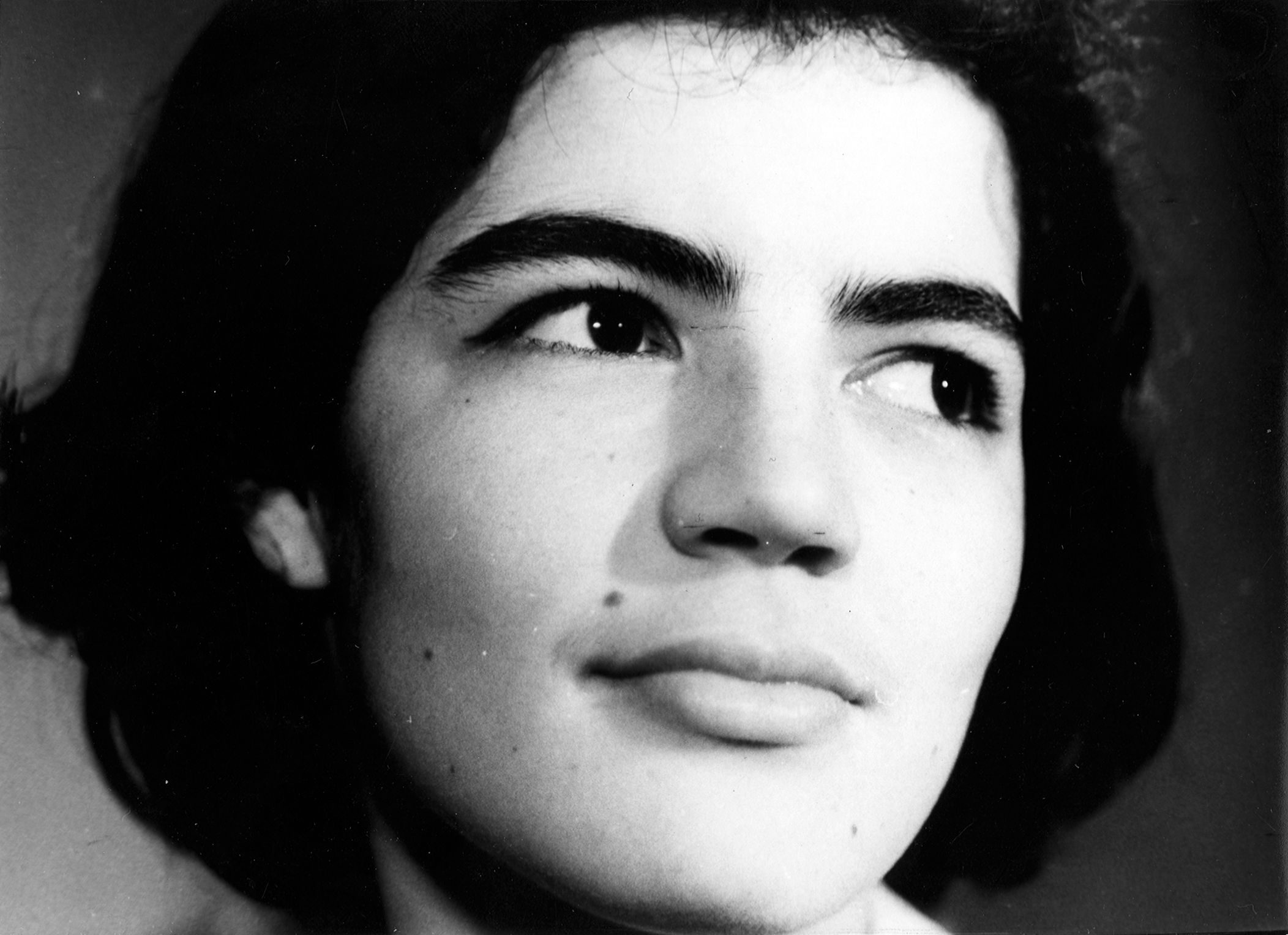
(Dir.: Frank Vogel, 1962) Photography: Hans-Joachim Zillmer
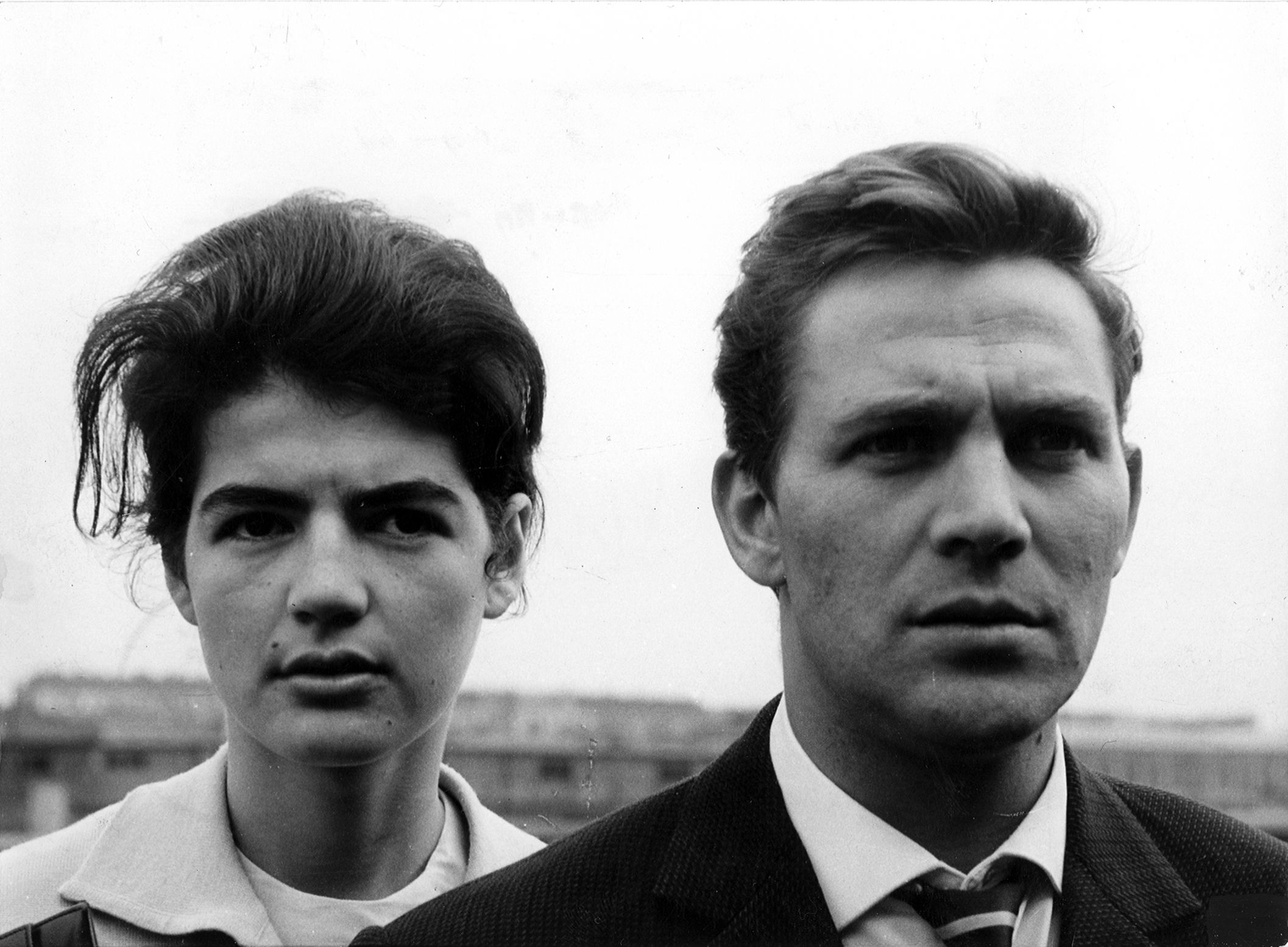
(Dir.: Frank Vogel, 1962) Photography: Hans-Joachim Zillmer
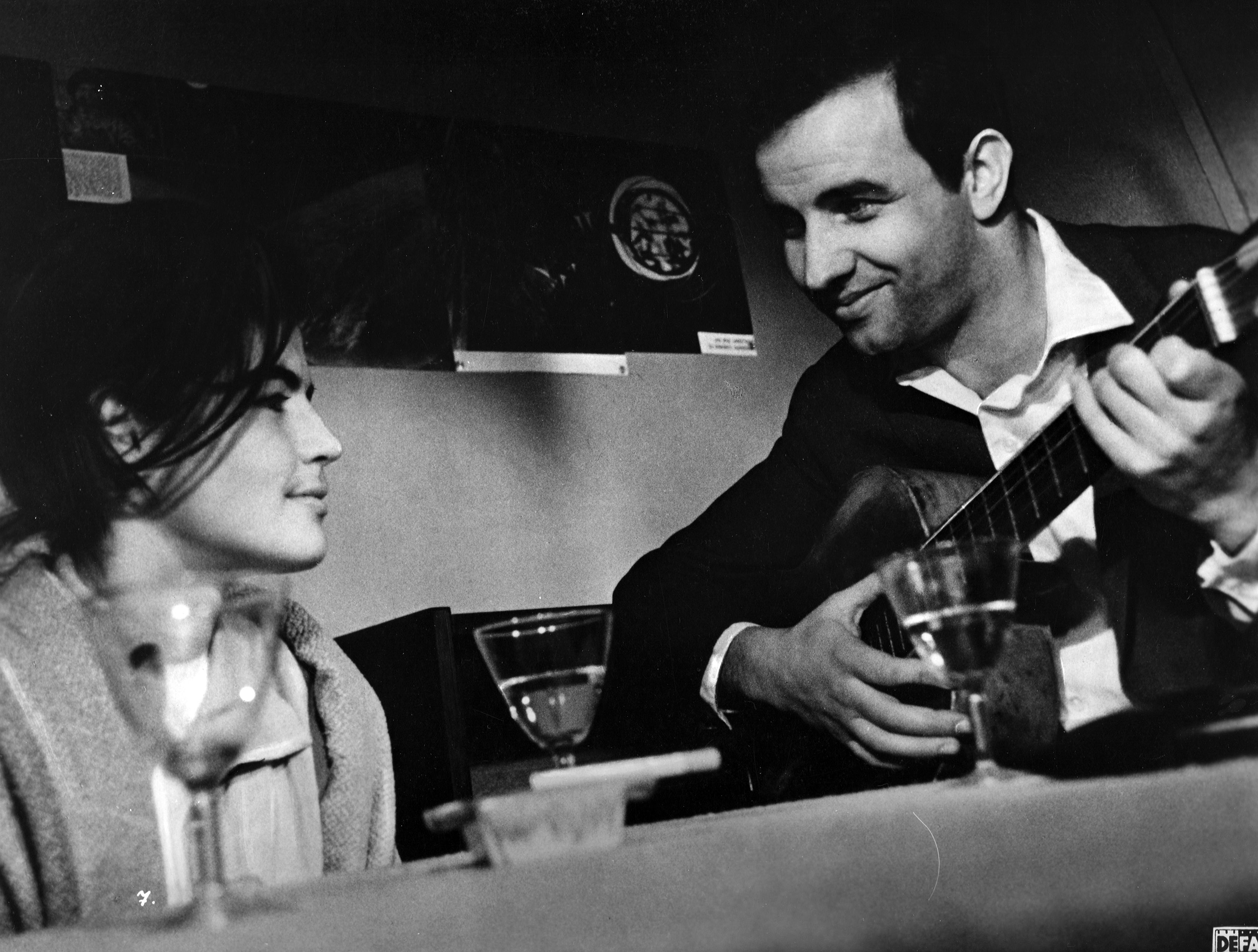
(Dir.: Frank Vogel, 1962) Photography: Hans-Joachim Zillmer