Die Schlüssel
Regie: Egon Günther, 97 Min., Farbe, Spielfilm
Deutsche Demokratische Republik (DDR)
DEFA-Studio für Spielfilme, 1973
- Film-/Videoformat
- 35 mm
- Länge in m
- 2658
- Englischer Titel
- The Keys
- Premierendatum
- Anlaufdatum
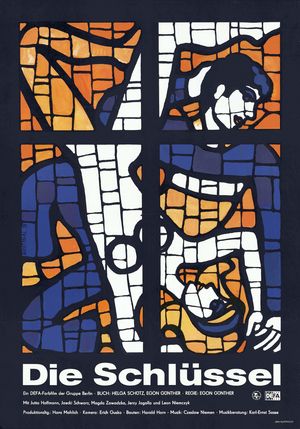
(R: Egon Günther, 1973) Grafiker: Fred Westphal
Kurzinhalt (Deutsch)
1972. Ric und Klaus sind jung, verliebt und wollen Urlaub machen. Sie, die lebenslustige Arbeiterin aus dem Glühlampenwerk, und er, der zielstrebige Ingenieursstudent, tauschen den DDR-Alltag gegen das „freiere Polen“. Ein wildfremdes polnisches Ehepaar, selbst auf der Reise nach Paris, drückt ihnen am Flughafen die Schlüssel zu ihrer Privatwohnung in Kraków in die Hand. Ein Vertrauensbeweis, der wie ein Versprechen auf eine unvergessliche Zeit wirkt. Was wird die Verliebten in Polen erwarten? Zwischen kulturellen Entdeckungen und neuen Bekanntschaften prallen die gegensätzlichen Lebensentwürfe des Paares aufeinander...
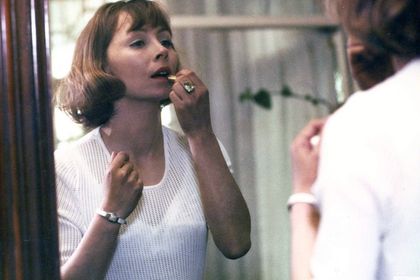
(R: Egon Günther, 1973) Fotograf: Klaus Goldmann
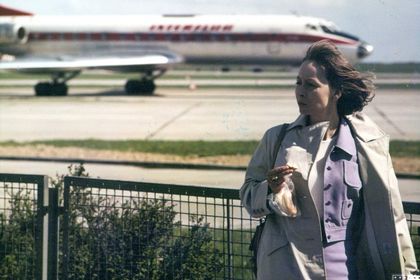
(R: Egon Günther, 1973) Fotograf: Klaus Goldmann
Filmstab
- Regie
-
- Egon Günther
- Drehbuch
-
- Egon Günther
- Helga Schütz
- Szenarium
-
- Helga Schütz
- Egon Günther
- Kamera
-
- Erich Gusko
- Schnitt
-
- Rita Hiller
- Darsteller
-
- Jutta Hoffmann (Ric)
- Jaecki Schwarz (Klaus)
- Magda Zawadzka (Helena)
- Jerzy Jogalla (Frantisek)
- Jadwiga Chojnacka (Großmutter)
- Leon Niemczyk (Pawlik)
- Anna Dziadyk (Hanka)
- Wolfgang Greese (DDR-Vertreter)
- Regieassistenz
-
- Elke Niebelschütz
- Kameraassistenz
-
- Klaus Goldmann
- Norbert Kuhröber
- Szenenbild
-
- Harald Horn
- Dramaturgie
-
- Werner Beck
- Musik
-
- Czeslaw Niemen
- Karl-Ernst Sasse (Musikberatung)
- Ton
-
- Edgar Nitzsche
- Gerhard Ribbeck
- Kostüm
- Maske
-
- Horst Schulze
- Margot Friedrichs
- Produktionsleitung
-
- Hans Mahlich
- Aufnahmeleitung
-
- Heinz Fröhlich
- Wolfgang Lange
- DEFA-Fotograf
-
- Klaus Goldmann
Kurzinhalt (Englisch)
Two young people, Ric and Klaus, travel to Poland together to spend their holiday there. They are quite proud and happy when they are put up by a friendly man from Cracow who allows them to use his flat freely. They feel accepted and at the same time. Pleasantly and unusually independent. They embark on a journey of discovery and meet very different kinds of people.
In conversations and narrations, the past comes to life for them - they experience both embittered people and those who are looking for new links between GDR citizens and Poles. To their surprise. the two young people also discover how differently they respond to people and events.
Because of a misunderstanding, Ric gets into a state of panic, rushes into the street to look for Klaus. He is run over and killed by a tram. In these tragic hours, Klaus experiences sympathy and helpfulness on the part of Polish people. Through them, he understands the huge loss he has suffered and discovers an entirely unsuspected sensitivity and ability to mourn in himself. (Source: Progress Film-Verleih)
Kurzinhalt (Weitere Sprachen)
Ric e Klaus, lei operaia, lui studente, vanno in vacanza a Cracovia, alloggiando nell'appartamento di un polacco. Nonostante trascorrano giornate spensierate, Ric si accorge di quanto sia diversa da Klaus. La superiorità di lui la ferisce. Capendo che intellettualmente non saranno mai sullo stesso piano, Ric teme per il loro amore. In preda al panico, non trovando Klaus, corre in strada e viene travolta da un tram. Solo ora Klaus, sconvolto per la sua morte, comprenderà quanto Ric fosse importante per lui. (Italienisch)
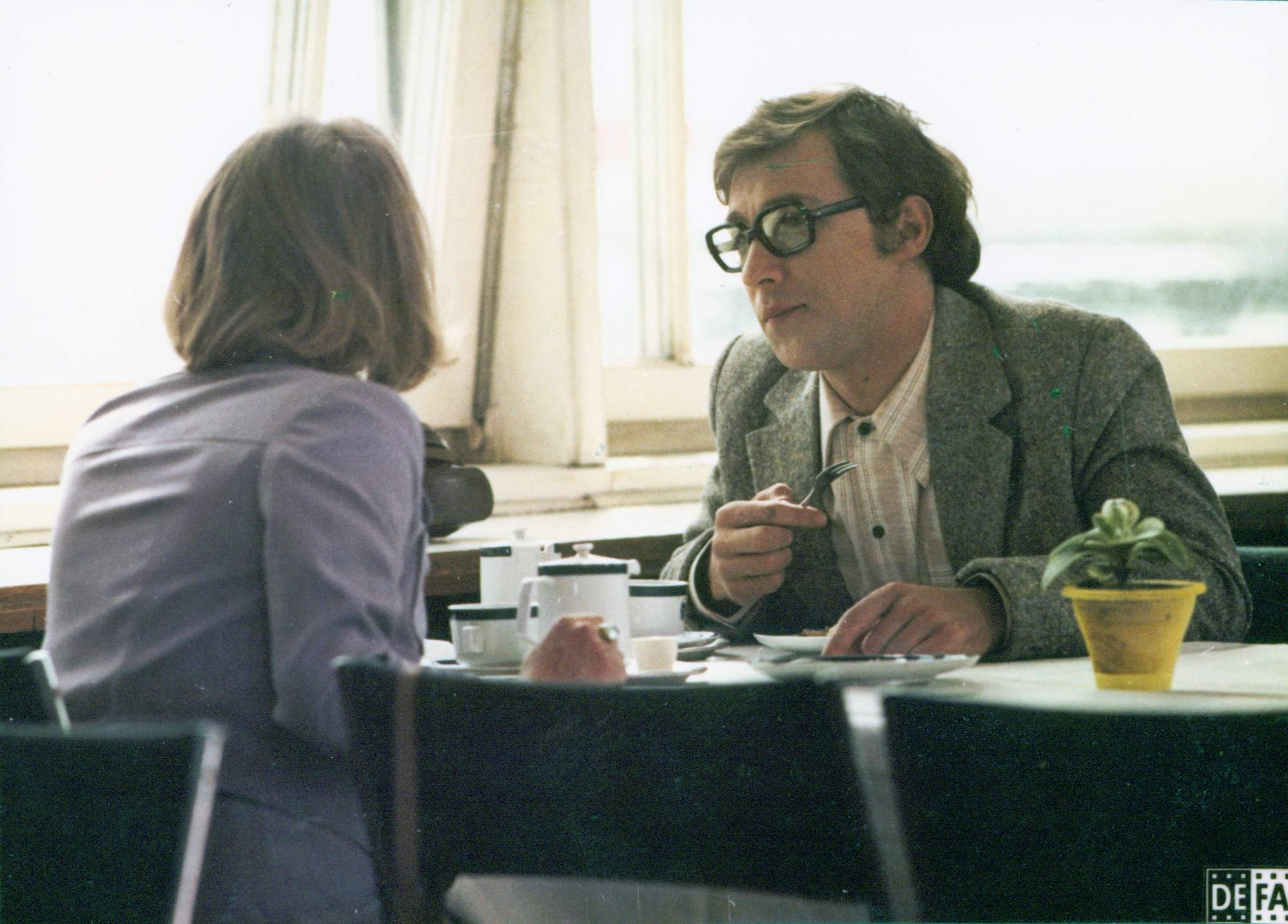
(R: Egon Günther, 1973) Fotograf: Klaus Goldmann
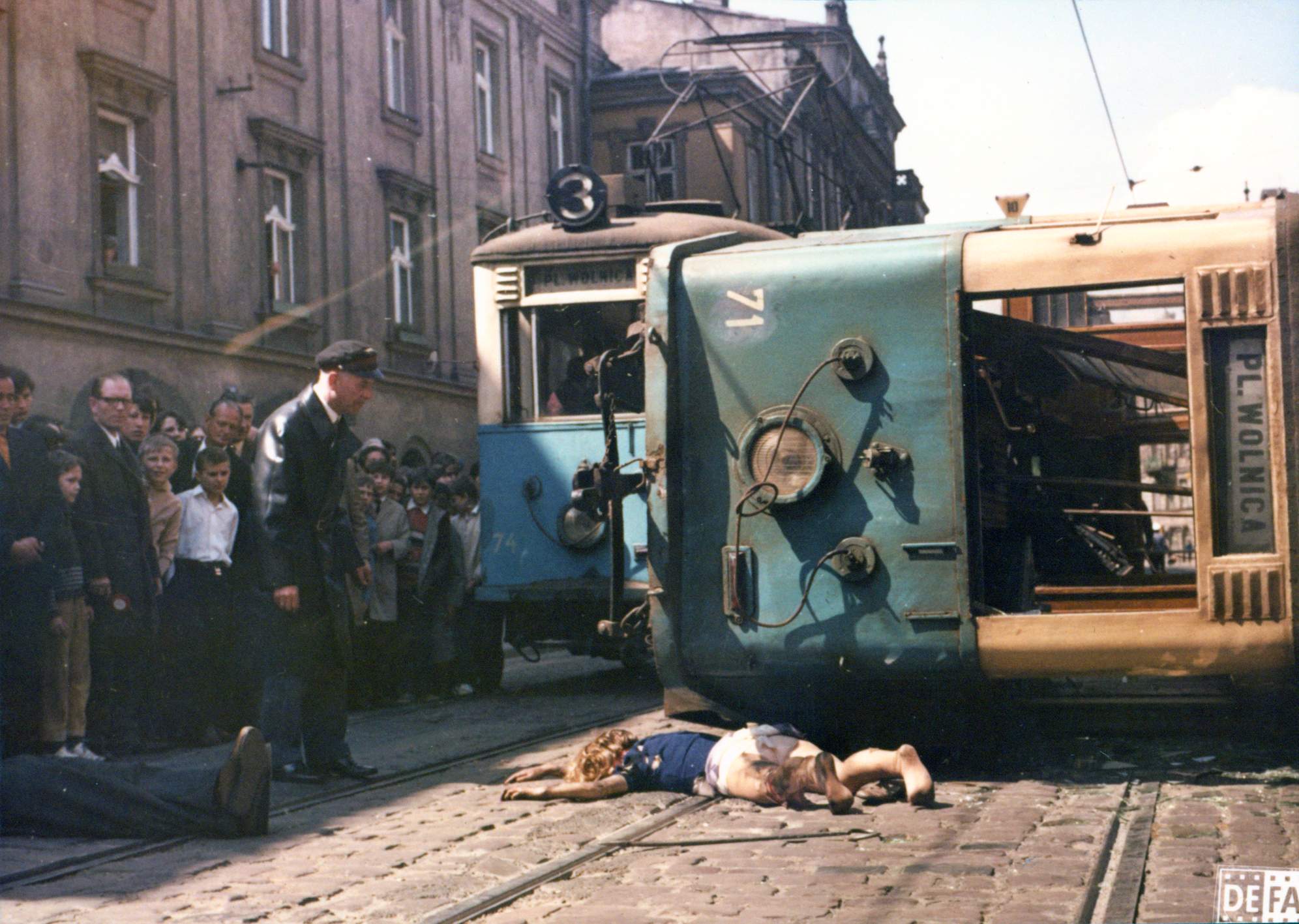
(R: Egon Günther, 1973) Fotograf: Klaus Goldmann
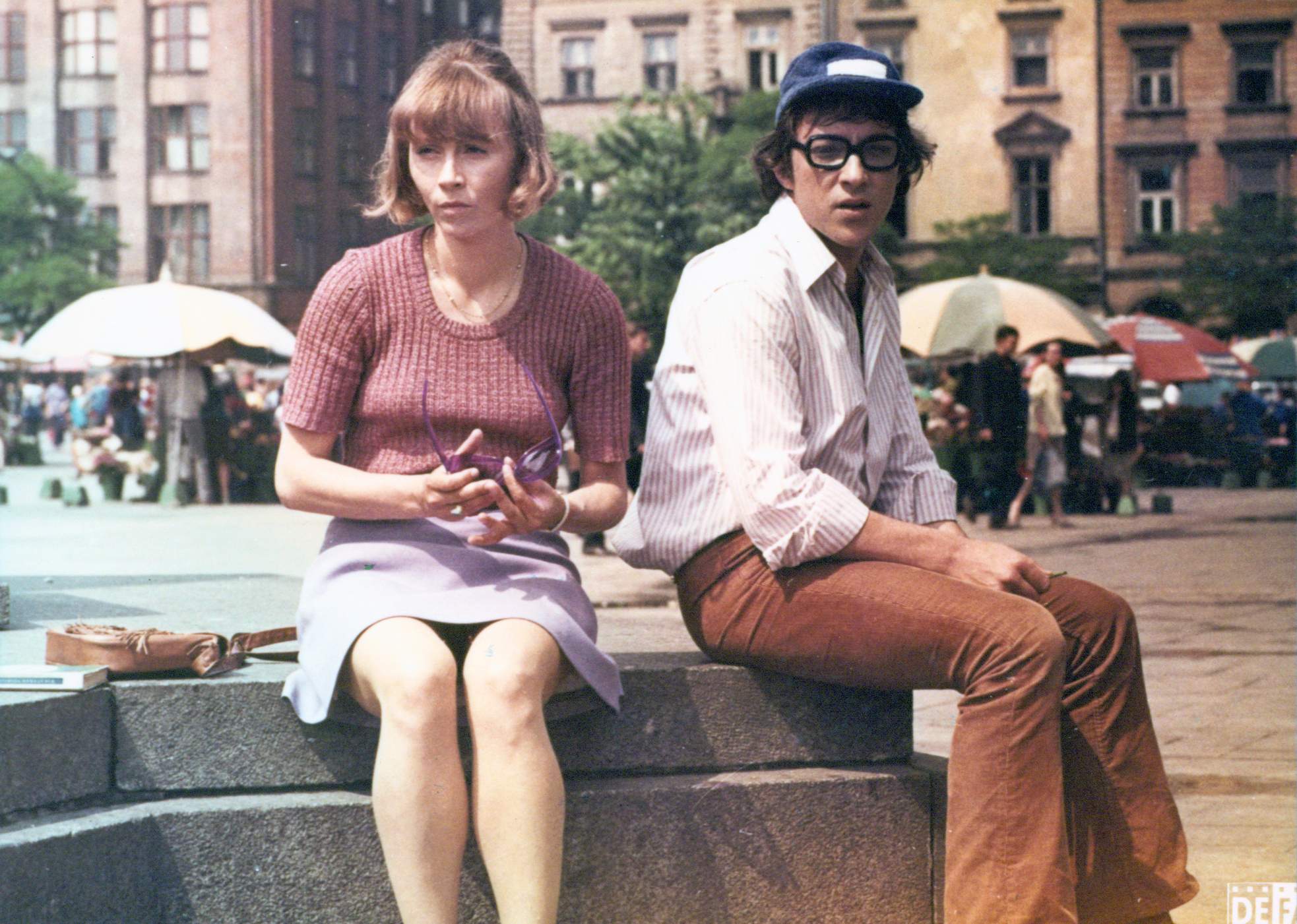
(R: Egon Günther, 1973) Fotograf: Klaus Goldmann